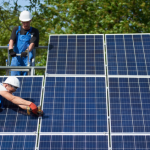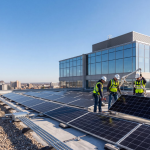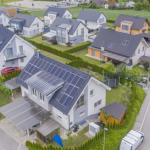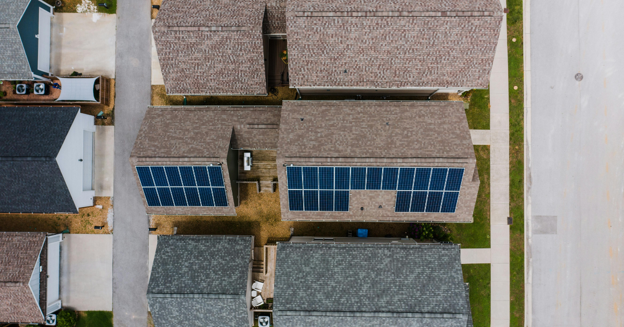
Your Roof is really just a quiet, passive thing that keeps the rain out, and somehow holds the heat in. Still, day after day, this basically empty surface gets slammed with a huge load of free, raw energy that just sits there doing nothing. But if you choose a residential solar installation, that “unused” area can become something active, like a real source of power for your whole daily routine. We think it’s time to stop seeing your home as a never-ending bill machine, and start treating it like a self-sustaining asset.
As energy experts, we help households change how they think about power, from paying for it to owning it. If you depend only on a traditional utility company, you are exposed to rising rates that you cannot steer or control. When you invest in residential solar, you get a kind of steady protection against those unpredictable energy markets. The result is simple: you make your own clean electricity where you live, and you keep more of your hard-earned money in your own account, not someone else’s.
Why are traditional power grids failing to keep up?
Our regional electricity grids were built for another time. Now they are under heavy pressure from extreme weather, more people moving in, and higher demand caused by technology. The US Energy Information Administration says residential electricity prices in the United States went up by about twenty percent over the last three years.
And honestly, there’s no clear sign this is slowing down. Every time the grid gets pushed to its limit, homeowners deal with two problems at once: costs that climb, plus the risk of surprise blackouts. We believe depending only on a centralized grid is no longer the safest or best deal for modern families. If we generate electricity right at the place it’s used, we avoid a lot of those structural weak points entirely.
How does harvesting your own power change your daily life?
Think about a warm summer afternoon, the air conditioner going and going, like it’s basically sipping on sunlight. When you harvest your own power, your whole relationship with energy shifts a bit, you know. You’re not sitting there rationing electricity during the peak hours, out of worry about what the next statement might look like.
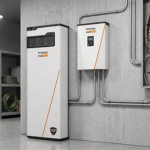
Instead, you get this calmer feeling, a peace of mind that’s kind of hard to explain. And when you match solar panels with modern battery storage, the extra electricity made in daylight doesn’t just vanish; it gets saved. Later you can use that stored energy at night, or when the grid is acting up. So even when the main power lines go down, your refrigerator keeps the cold locked in, your lights don’t suddenly quit, and your home stays comfortable, at least as much as it can. It can turn a household that feels a little exposed into something more like a self-sustaining refuge.
What does a complete energy system look like?
Think about a warm summer afternoon, the air conditioner going and going, like it’s basically sipping on sunlight. When you harvest your own power, your whole relationship with energy shifts a bit, you know.
You’re not sitting there rationing electricity during the peak hours, out of worry about what the next statement might look like. Instead you get this calmer feeling, a peace of mind that’s kind of hard to explain. And when you match solar panels with modern battery storage, the extra electricity made in daylight doesn’t just vanish; it gets saved.
Later you can use that stored energy at night, or when the grid is acting up. So even when the main power lines go down, your refrigerator keeps the cold locked in, your lights don’t suddenly quit, and your home stays comfortable, at least as much as it can. It can turn a household that feels a little exposed into something more like a self-sustaining refuge.
| Feature | Traditional Grid Home | Modern Hybrid Home |
| Source of Power | Centralized coal, gas, or nuclear | On-site solar, wind, and battery |
| Cost Predictability | Low (subject to frequent utility hikes) | High (fixed equipment investment) |
| Blackout Protection | None (complete reliance on utility repairs) | High (automatic battery or generator backup) |
| Carbon Impact | High | Extremely Low |
Our approach focuses on matching the right technology to your specific geographic and lifestyle needs. To give you a clear picture of how these systems function, here are the core options we implement for modern properties:
- Solar panels convert sunlight directly into usable electricity for daily household operations.
- Battery storage units hold excess daytime energy to power your home through the night.
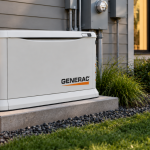
- Automated backup generators supply continuous electricity during extended winter grid failures.
- High-efficiency outdoor boilers manage heavy heating demands during the coldest months.
- Electric vehicle chargers connect directly to your system to power your car for free.
How can homeowners navigate the path to energy independence?
Taking the first step toward clean energy can feel overwhelming with so many options available. We make the transition simple by focusing on clear, realistic assessments of your property. We look at your roof angle, shading, and historic energy usage to design a custom setup that maximizes your return on investment.
Furthermore, we help you navigate the complex world of federal tax incentives, local rebates, and agricultural grants to lower your initial setup costs. The goal is always to make clean energy a practical, affordable reality for every household.
What is the true value of long-term sustainability?
In the end, upgrading your home with modern energy technology is an investment in your future. It increases your property value while permanently lowering your monthly operating costs. More importantly, it gives you control. You are no longer at the mercy of decisions made by distant utility corporations. You become the owner of your energy, enjoying a cleaner, safer, and more reliable way of life.
Conclusion
Transitioning to a modern energy model is a practical step toward securing your home for the next generation. By taking control of your power generation, you shield your family from rising costs and grid instability.
For homeowners looking to begin this journey, a customized residential solar installation offers a proven pathway to long-term energy independence. If you are ready to explore these smart energy solutions, Rocknoll Energy Systems provides the professional design and installation services needed to transform your home into a self-sustaining power source.
Frequently Asked Questions
Can solar panels work during a utility blackout?
Standard grid-tied solar systems automatically shut down during a blackout to protect utility workers. However, if your system includes a specialized battery backup or an off-grid inverter, it can instantly isolate your home from the grid and continue providing power to your essential appliances during an outage.
How do cold winter temperatures affect solar energy production?
Solar panels actually operate more efficiently in cold temperatures than in extreme heat. While shorter winter days and snow cover can temporarily reduce overall energy production, panels still generate significant electricity on clear winter days by converting available sunlight directly into power.
What happens to solar power generation on cloudy or rainy days?
Solar panels do not need direct, blazing sunlight to function. They can still capture diffuse light on cloudy, rainy, or overcast days. While their electricity production will be lower than on a bright summer day, they will continue to feed power to your home.
Is my roof suitable for solar panel installation?
An ideal roof for solar has plenty of open space, faces south or west, and has minimal shade from trees or nearby buildings. The roof structure should also be in good physical condition to support the weight of the solar racking and panels for several decades.