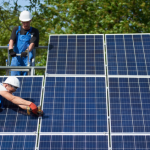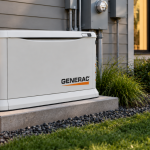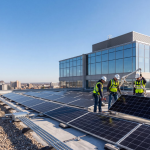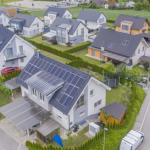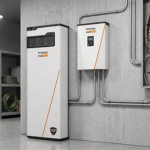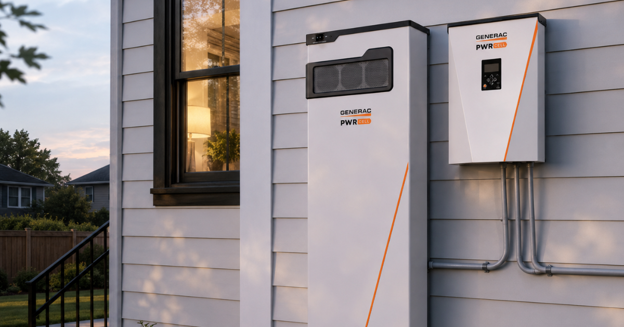
We are seeing a pretty big shift in the way people see their electricity. For years, electricity was basically something we just bought, kind of passive from a distant utility company. You pay the bill every month, and you don’t really think about where the power comes from until the lights go out. Now that whole passive relationship is cracking. More homeowners and farmers are deciding to become active producers, like actually generating their own power through solar panel battery storage.
Things like extreme weather, aging utility grids, and higher electricity rates are pushing this change along. To keep their homes safe, families are now searching for dependable ways to lock down their power supply. The most solid way to do that is to connect local energy generation with up-to-date battery storage, so the lights stay on during whatever emergency shows up.
We feel that push toward independence every single day in our work. Clean energy isn’t only some far-off trend anymore; it is a practical shield right now. When the regional grid fails, a normal solar setup without backup will shut down too, for safety reasons. So if you want your appliances running, you need a smarter arrangement that can separate your home from the utility lines.
When you install solar panels paired with battery storage on your property, you end up with a personal microgrid that operates when you most need it. This lets you hold onto the extra power your panels make in the daytime, then use it at night, or even when a storm hits, and everything feels a little less stable.
Why is energy independence becoming a necessity?
The modern utility grid is dealing with challenges it never really had before. Based on federal energy data, major power outages in the United States have gone up by more than 60 percent since the early 2000s. And it’s not a small change; it’s a steady climb. This kind of instability makes communities more exposed to sudden blackouts that can easily stretch for days. If you’re a rural homeowner or running a working farm, a long outage is not simply annoying. it can turn into spoiled food, no heat, and even frozen pipes.
So we think local power generation is the final answer, like really the ultimate direction to go. When you make your own electricity using the sun or wind, you end up taking control of your own resources. You don’t have to sit around wondering about utility price jumps, or transmission line failures, because your setup is there anyway. What you get instead is a steadier arrangement, a more dependable system that keeps essential devices going all day and all night.
How do different systems fit your unique lifestyle?
No two properties feel the same, and energy needs don’t either. Some folks want to stay tied to the grid but still have a safety net, while others prefer to sever the connection completely. We build systems that match your exact priorities, and we make sure it fits your day to day, not the other way around.
| System Type | Best For | Main Benefit | How It Works |
| Grid-Tied | Suburban homes with stable grids | Lowest setup cost | Uses solar power first, then pulls from the utility grid |
| Hybrid | Homes wanting backup security | Power during outages | Uses solar first, stores extra energy, and keeps grid connection |
| Off-Grid | Remote cabins, farms, and workshops | Total independence | Runs completely on solar, wind, and storage with no utility lines |
What are the practical benefits of going off the grid?
Going completely off the grid is a major step that requires careful planning and the right equipment. When we design these systems, we focus on durability and long-term performance. There are several clear benefits to making this choice:
- You get complete protection from rising utility rates and unexpected grid failures.
- You can build homes or barns on remote land without paying thousands of dollars to run new utility poles.
- You gain peace of mind knowing your home runs on clean, local power that you control.
To make off-grid living work, we often combine different technologies. For example, pairing solar panels with a small wind turbine creates a balanced hybrid system. In Ohio, the wind often blows strongest when the sun is not shining, such as during winter storms or at night. By using both resources, you can keep your system running smoothly throughout the entire year.
How can local businesses and farms fund clean energy?
We know that upgrading your energy system is a significant investment. Fortunately, there are several programs designed to help reduce the upfront costs. For rural small businesses and agricultural producers, the USDA REAP grant is an excellent resource. This federal program can cover up to 50 percent of the total project cost for clean energy upgrades.
Additionally, homeowners can take advantage of federal tax credits that lower the overall cost of solar and backup systems. We help our clients navigate these local utility rebates and federal incentives to make sure they get the best return on their investment. We also focus on sourcing American-made products, like Sol-Ark inverters and Bergey wind turbines, to ensure long-term reliability and support domestic manufacturing.
Conclusion
Transitioning to clean energy is a journey that requires the right partner and proven technology. Many families and businesses trust Rocknoll Energy Systems to build these custom solutions. By combining experienced engineering with robust battery storage and advanced solar panel battery storage, they help communities establish reliable, local power. Investing in your own energy infrastructure is the best way to secure your home for the future.
Frequently Asked Questions
How long can a backup system run my home during an outage?
The runtime depends on the capacity of your backup system and your household energy use. A standard setup can easily run essential appliances like refrigerators, water pumps, lights, and device chargers for several days if you manage your electricity use carefully.
Can I run my entire home completely off the grid?
Yes, you can run a home off the grid. This setup requires a custom-designed system that combines solar panels, wind power, large backup capacity, and sometimes a generator. It also requires monitoring your daily energy use to match your system capacity.
Do solar panels still generate electricity on cloudy days?
Yes, solar panels still generate electricity on cloudy or overcast days, but their output will be lower than on bright, sunny days. Cloudy day generation is usually about ten to twenty-five percent of the system's normal capacity.
What is the typical lifespan of a home backup system?
Most modern lithium-iron phosphate backup systems are rated to last for ten to fifteen years, or about ten thousand cycles, before their capacity begins to drop. Proper system design and temperature management help maximize this lifespan.