Energy is more than another operating expense for a business. It affects production, occupancy, equipment, cash flow, and long-term planning. That is why commercial solar installation should begin with a closer look at how a property actually uses electricity, rather than starting with the number of panels that can fit on a roof.
When we plan a commercial solar panel installation, we look at the building, electrical demand, available space, utility structure, and the goals of the business. The objective is to create an energy system that makes practical sense for the property and continues to provide value over time.
What is commercial solar installation?
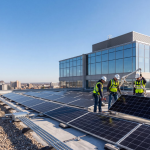
Commercial solar installation is the process of designing and installing a photovoltaic system for a business, organization, facility, or other non-residential property. We use solar panels to convert sunlight into electricity that can support the property’s daily energy needs.
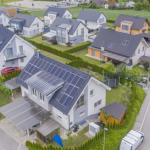
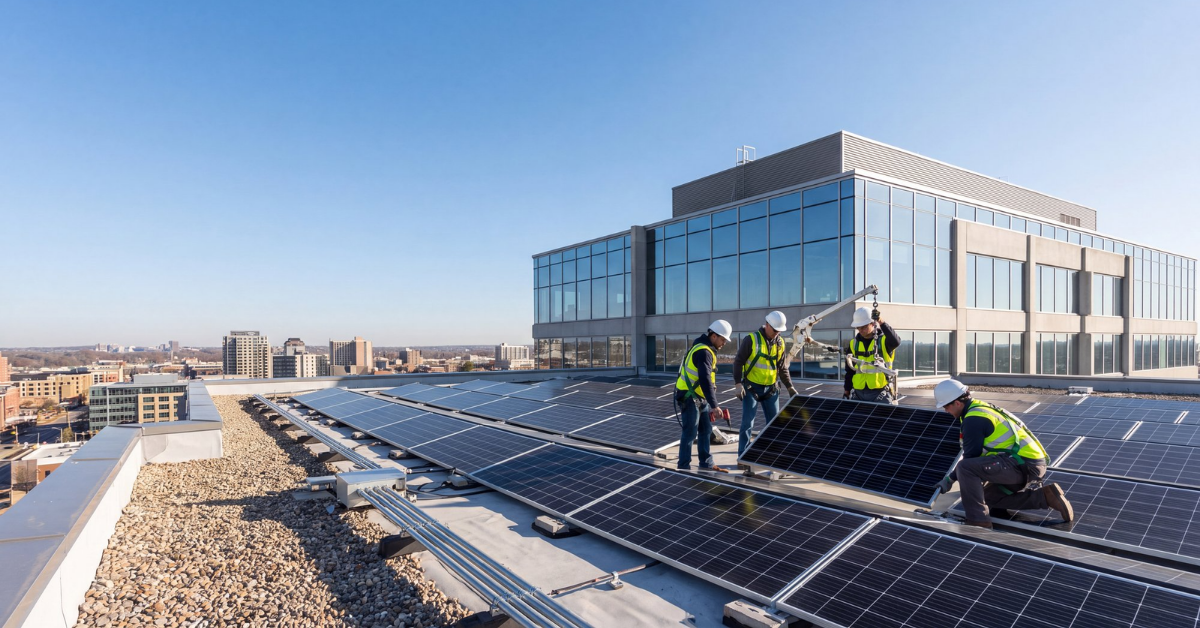
The system may be installed on a commercial roof, ground-mounted area, parking structure, or solar carport, depending on site conditions. We also consider whether battery storage, electric vehicle charging, backup generation, or other energy technologies should be part of the broader plan. A commercial system can therefore be much more than a collection of panels. It can become one component of a larger energy strategy.
Why are businesses investing in solar now?
The U.S. commercial solar market continues to develop as businesses look for ways to manage electricity costs and improve energy planning. According to the Solar Energy Industries Association and Wood Mackenzie, the commercial solar segment installed 2.345 GWdc in 2025, a 6% increase from 2024.
That growth reflects a practical shift. Businesses are evaluating solar not only as a renewable energy source, but also as a way to produce more of their electricity on-site. We see the same principle when evaluating a project: the value of solar depends on how the system matches the customer’s actual energy profile.
What are the most common uses of commercial solar panels?
Commercial solar panels can support many types of properties, including offices, warehouses, manufacturing facilities, retail locations, agricultural operations, schools, nonprofit facilities, and other buildings with substantial electricity demand.
We may use a solar array to offset daytime electricity consumption, support equipment and facility operations, or reduce dependence on electricity purchased from the utility. Solar carports can also turn parking areas into productive energy-generating spaces while providing covered parking.
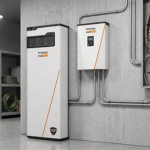
Other applications can include combining solar with battery storage, EV charging, or backup power. The right combination depends on the property’s electrical requirements, available space, operating schedule, and long-term goals.
How much does commercial solar installation cost?
There is no reliable one-size-fits-all price for a commercial solar project. Costs can change significantly based on system size, equipment, roof or ground conditions, electrical upgrades, permitting, interconnection requirements, labor, and whether additional technologies are included.
We look at several factors before developing a project scope:
- Electricity consumption and utility rates
- Available roof, ground, or parking space
- Solar exposure and site conditions
- Existing electrical infrastructure
- Required system capacity
- Battery storage or EV charging requirements
- Financing, incentives, and applicable tax considerations
This approach helps move the conversation away from simply asking, “How much does solar cost?” and toward the more useful question, “What system provides the right value for this property?”
What benefits can a business expect from solar?
The primary benefit is on-site electricity generation. Depending on system design and utility arrangements, solar can help offset electricity purchased from the grid and provide greater visibility into long-term energy planning.
A properly designed system can also support broader business objectives. These may include reducing exposure to changing utility costs, making productive use of unused roof or parking space, supporting sustainability goals, and preparing a property for additional technologies such as EV charging or energy storage.
We also consider energy resilience where appropriate. Solar can work alongside battery storage or backup generation to create a more comprehensive energy strategy, although solar panels alone do not automatically provide backup power during an outage.
How do we determine the right commercial solar system?
The best system is not necessarily the largest system. We start with the property’s electricity usage and examine when and how energy is consumed.
We then evaluate the physical site and electrical infrastructure. Roof condition, available space, shading, orientation, structural considerations, interconnection requirements, and future electricity demand can all influence the design.
This is where professional system planning matters. A technically sound commercial solar panel installation should account for both present conditions and reasonable future needs rather than focusing only on today’s electricity bill.
Is commercial solar only about reducing electricity bills?
No. Electricity savings can be an important part of the financial case, but commercial solar can serve several purposes at once. For some businesses, the priority may be reducing purchased electricity. For others, the project may support sustainability commitments, improve use of available property space, prepare for EV charging, or complement battery and backup power technologies.
We treat solar as part of an overall energy plan. That perspective helps businesses consider how individual technologies can work together instead of evaluating every energy decision separately.
What should businesses consider before installation?
A successful project starts well before panels reach the site. We recommend examining current electricity use, future facility plans, roof or property conditions, utility requirements, financing options, and the business’s long-term energy priorities.
It is also important to work with professionals who can evaluate the complete system rather than focusing exclusively on equipment. Design, permitting, electrical integration, installation, monitoring, maintenance, and future service all contribute to the value of a commercial project.
A Smarter Way to Look at Commercial Solar
We believe the strongest solar projects begin with the business, not the equipment. When electricity use, site conditions, financial objectives, and future energy needs are considered together, solar becomes a more deliberate investment rather than simply another facility upgrade.
For businesses exploring commercial solar installation or a properly planned commercial solar panel installation, Rocknoll Energy Systems approaches the process around practical energy needs, system design, efficiency, and long-term performance. The right starting point is not asking how many panels a property can hold. It is asking how solar can work intelligently within the way that property already operates.
FAQs
How can I choose the right commercial solar installation company?
We recommend comparing experience, technical capabilities, equipment knowledge, project design methods, installation practices, service support, and familiarity with utility requirements. A qualified provider should explain system sizing, expected production, site limitations, project costs, and available energy options clearly before recommending a specific solution.
What size commercial solar system does my business need?
We determine system size by reviewing electricity consumption, peak demand, operating schedules, available installation space, solar exposure, utility rules, and future energy requirements. The objective is not simply to maximize panel count, but to develop a system that appropriately matches the property's electrical profile.
What are the most common uses of commercial solar panels?
We commonly use commercial solar panels to generate on-site electricity for offices, warehouses, retail properties, agricultural facilities, manufacturing sites, schools, and other organizations. Solar can also support solar carports, EV charging, battery storage strategies, and broader energy-management goals when the property and project requirements support them.