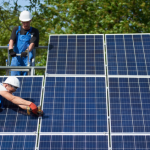
We tend to look at energy a little differently than most business owners. For decades, companies have treated electricity like that unavoidable monthly bill, paid over and over to the local utility. But what if we told you that you can stop renting your power, and start actually owning it? Putting money into a commercial solar installation isn’t only about being “green”. It’s also a smart, practical play that helps you manage and limit operating expenses. When you make your own electricity you shield your company from weird, unpredictable utility rate increases that show up when you least expect them.
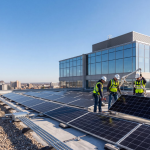
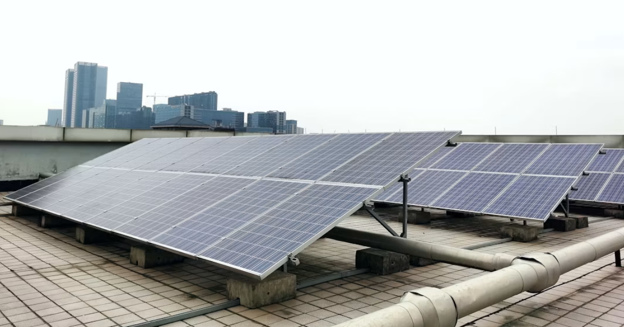
And honestly, every square foot on your rooftop, or even nearby property, has value it currently isn’t using. With a custom commercial solar panel installation, your facility can turn an unused roof area into something far more active. In many cases, that means revenue support, or at least real savings that behave like steady income.
We partner with businesses to map out solar systems around the way you truly consume energy during the day, not some generic template. That change in mindset, from “this is a liability” to “this is an asset”, is already reshaping how modern companies plan for the next thirty years.
Why does standard energy procurement fail modern businesses?
We see depending only on the grid as a weak spot. Extreme weather and aging infrastructure create power outages more often than anyone wants to admit. Those interruptions don’t just cause inconvenience; they can cost American businesses billions each year. The Solar Energy Industries Association notes that commercial solar adoption has grown about 12 percent per year on average over the last decade. Owners are starting to realize they don’t have to quietly accept higher grid pricing as the new normal.
When you buy power from the grid, you’re basically stuck waiting on municipal rate moves. Utility companies adjust rates constantly because they have to cover grid maintenance, fuel expenses, and whatever else comes up. By producing your own power, you create a buffer against that instability. We build systems that are designed to give you steadier, more predictable energy costs, so you can plan with confidence for decades to come.
How do we measure the true return on investment?
The financial landscape of going solar is highly favorable for businesses right now. The federal Investment Tax Credit allows you to deduct 30 percent of the total project cost from your federal taxes. Additionally, businesses can take advantage of accelerated depreciation to write off the asset quickly. This combination dramatically lowers the net cost of your project.
To help you visualize the difference between these two paths, we have compared the long-term traits of grid reliance versus solar ownership:
| Energy Feature | Grid Power | Solar Power |
| Monthly Cost | Unpredictable and rising | Fixed and predictable |
| Asset Ownership | None | Fully owned asset |
| Tax Incentives | None | 30 percent tax credit |
| Backup Capability | None | Built-in battery ready |
As shown, solar ownership converts a lifetime expense into a depreciable corporate asset. The money you save on utility bills can be reinvested directly back into your business operations.
What are the physical options for your property?
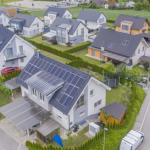
We don’t really believe in one-size-fits-all, because every facility kind of has its own physical layout and specific energy needs. For some places, a roof-mounted setup is a perfect fit. For other locations, a ground-mount or even a functional carport tends to work better, and sometimes it’s just about what’s available on-site
Here’s how we usually sort the physical options for your move toward solar power: rooftop installations use your existing building footprint, so you don’t add extra land take-up. Ground-mounted systems, on the other hand, help you dial in the angle positioning for better sunlight collection. And commercial solar carports bring more than one advantage; they generate electricity while also giving shaded parking spaces for your employees, customers, and whoever needs it most.
How do we ensure long-term system reliability?
We focus on high-quality domestic equipment, so the system can run for decades instead of just a few good years. We work with reputable manufacturers to secure reliable solar modules and solid mounting components. That way, maintenance stays low, and system performance stays steady. Plus, our technical team manages the engineering and electrical design details, so everything fits together smoothly, without awkward afterthoughts.
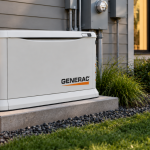
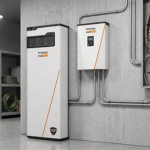
We also put a lot of attention on smart energy management. Some modern setups can include high-capacity battery storage, along with advanced power management tools. Basically, you can hold onto the extra solar power created during the day, then use it later during higher rate periods, or keep your operations going during grid outages.
Conclusion
Investing in your own power is a permanent shift toward business independence. Deciding on a commercial solar installation secures your financial future and builds operational resilience. A professional commercial solar panel installation transforms your relationship with energy from a monthly expense into a powerful asset.
For businesses ready to make this transition, Rocknoll Energy Systems offers customized engineering, tier-one equipment, and complete energy management solutions to help you achieve long-term power sovereignty.
Frequently Asked Questions
What happens to solar production on cloudy or rainy days?
Solar panels still generate electricity on cloudy days by using diffuse sunlight. Although their output is lower than on bright, sunny days, they still contribute to your energy needs. Battery storage systems can also store excess power generated on sunny days to use during cloudy periods.
Can solar power completely run a business during a grid outage?
Yes, if the system includes a dedicated battery storage setup. Standard grid-tied solar systems automatically shut down during outages for safety reasons. However, adding a battery backup allows the system to isolate from the grid and keep critical business operations running smoothly.
How much maintenance do commercial solar systems require?
Commercial solar systems require very little maintenance because they have no moving parts. Regular inspections once or twice a year are usually enough. These inspections check electrical connections and clean the panels to remove dust, leaves, or snow that might block sunlight and reduce efficiency.
How does solar energy affect a commercial property value?
Installing solar panels typically increases a commercial property value. Buyers view solar installations as valuable assets that lower operating expenses. Because the building has lower utility bills, its net operating income is higher, which makes the property more attractive to future buyers and investors.