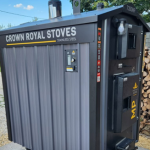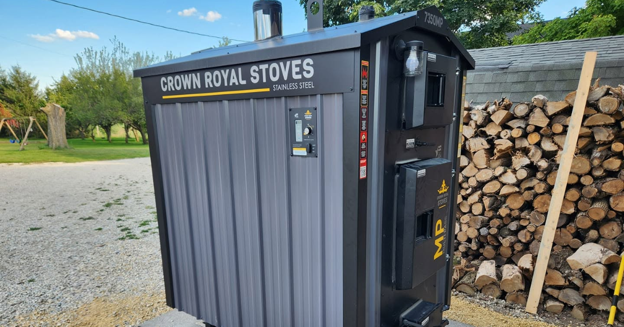
When we think about an outdoor wood stove, the first image may be a standalone heating unit sitting outside the home. In reality, an outdoor hydronic heater is part of a larger heating system. It produces heat outside and transfers that heat through a fluid system to the spaces or equipment being heated.
An outdoor wood stove for house heating can therefore require more planning than choosing a unit and finding a convenient place for it. During outdoor wood boiler installation, we need to consider the property, heating demand, fuel, piping, electrical connections, clearances, and local requirements. The goal is to create a complete system that works safely and consistently.
What Should We Decide Before Installation Begins?
The first step is understanding the heating requirements of the property. We look at the size of the home, existing heating equipment, insulation, hot-water requirements, and the areas that the new system may need to serve.
An outdoor hydronic heater transfers heat through water or a water and antifreeze solution. The heated fluid travels through insulated piping to the building, where heat can be delivered through compatible heating equipment. EPA describes hydronic heaters as systems that can heat homes, barns, greenhouses, and garages through this type of fluid-based heat transfer.
Before installation, we also consider:
- Available space for the heating unit
- Distance between the heater and building
- Required piping route
- Fuel storage and handling
- Electrical requirements
- Chimney or stack requirements
- Local building and air-quality rules
- Existing heating-system compatibility
These details help determine whether the proposed system fits the property.
Where Should an Outdoor Boiler Be Located?
Location matters because the heater needs appropriate clearance, access, airflow, and a practical connection to the building. We also need to consider how smoke and exhaust may affect nearby structures, neighboring properties, and occupied areas.
Local rules can influence placement. The EPA notes that homeowners should check state and local ordinances because requirements for outdoor hydronic heaters can vary.
The installation site should also provide reasonable access for loading fuel, maintenance, inspection, and servicing. A location that looks convenient during summer may become difficult to reach during winter.
How Is the Outdoor Boiler Connected to the House?
The heating unit and the home are connected through an appropriate hydronic piping system. The boiler heats the circulating fluid, and that fluid carries thermal energy toward the building.
The piping route needs careful planning. Proper insulation helps reduce unwanted heat loss between the outdoor unit and the structure. The system also needs appropriate pumps, controls, valves, and other components based on its design.
We do not treat these components as isolated parts. The circulation system, heat exchanger or compatible indoor equipment, controls, and boiler must work together.
What Role Does the Existing Heating System Play?
An outdoor boiler does not always need to replace every part of an existing heating system. Depending on the property and equipment, it may work alongside existing heating infrastructure.
This can give homeowners more flexibility. The final arrangement depends on the type of indoor heating system, the home’s heat demand, and the outdoor boiler’s specifications.
During planning, we determine how the new heat source will interact with existing equipment. This prevents the installation from being viewed as simply adding another appliance.
Why Does Wood Quality Matter After Installation?
Fuel selection affects how a wood-burning heating system operates. Dry, properly seasoned wood generally supports cleaner and more consistent combustion than wet wood.
The EPA states that certified wood-burning appliances are tested to meet particulate emission limits and that newer certified equipment produces less smoke than non-certified appliances.
The distinction matters because an outdoor wood stove is not only a heating appliance. Its operation affects fuel consumption, maintenance, combustion quality, and emissions.
We therefore recommend following the equipment manufacturer’s requirements for acceptable fuel and operating practices.
What Does the Installation Process Actually Involve?
A professional project typically moves through several stages. We begin with site and heating-load evaluation, then determine equipment requirements and placement. The next stages can include preparing the installation area, establishing the piping route, connecting the hydronic system, completing required electrical work, integrating controls, and testing the system.
The exact process varies by equipment and property. We do not recommend treating these steps as a universal DIY sequence because boiler installation involves hot fluids, combustion, electrical systems, pressure, and potentially hazardous exhaust.
An important trend also supports careful equipment selection. The EPA estimates that nearly 14,000 wood-fired hydronic heaters would be sold in a year under its regulatory analysis, while federal standards have established particulate emission limits for new hydronic heaters.
How Can Homeowners Prepare for Long-Term Operation?
Installation is only the beginning. We need to think about fuel storage, access, routine inspections, ash handling, cleaning, water treatment where required, and manufacturer-recommended maintenance.
The heating system should also be checked periodically for leaks, damaged insulation, control issues, or other signs that performance has changed. Proper maintenance can help preserve system operation and identify problems before they become larger repairs.
What Makes an Outdoor Boiler Installation Successful?
A successful outdoor wood boiler installation connects the heating equipment to the property in a way that accounts for safety, heat demand, fuel requirements, piping, controls, and local regulations. The right system should fit the home rather than force the home to adapt to the equipment.
For homeowners exploring an outdoor wood stove for house heating, Rocknoll Energy Systems offers outdoor boiler solutions as part of its broader energy service portfolio. Our focus is on considering the heating system as a complete installation, from equipment selection and site planning to the connections needed for practical operation.
FAQs
What are the benefits of installing an outdoor wood stove?
An outdoor wood stove can provide an alternative source of heat while keeping combustion equipment outside the living space. It can work with compatible hydronic heating systems and may support space heating or domestic hot water. Proper sizing, fuel selection, installation, maintenance, and local compliance remain essential.
How do I choose the right size outdoor wood boiler for my house?
We recommend sizing an outdoor wood boiler according to the home's heating load rather than square footage alone. Consider insulation, climate, building size, existing heating equipment, hot-water needs, and desired coverage. A professional heat-load assessment can help determine suitable capacity and prevent unnecessary oversizing or inadequate heating.
How does an outdoor wood stove for a house provide heat?
An outdoor wood stove for a house burns wood outside and transfers the resulting heat to circulating water or another approved fluid. Insulated underground piping carries that heated fluid indoors, where a compatible heat exchanger, radiant system, or hydronic equipment distributes heat throughout the designated areas.