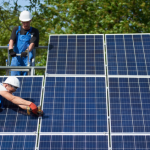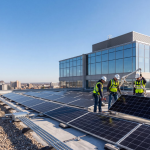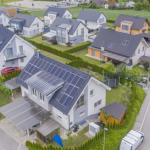
When we consider solar for a home, we do not start with the number of panels. We start with the home itself. Its electricity use, roof condition, available sunlight, electrical system, and future needs all shape the right solution. A properly planned solar PV system installation can turn an unused roof area into a practical source of electricity.
We also look beyond the equipment during the installation of solar power system. We consider how electricity moves through the property, when energy demand is highest, and whether battery storage or backup power could add value. This approach helps us create a solar plan based on real household needs instead of a standard package.
Why Are More Homeowners Considering Solar Power?
Solar is no longer a niche energy option. The U.S. Energy Information Administration reports that small-scale solar PV capacity reached about 59.5 gigawatts by the end of 2025. Residential systems accounted for about 40.5 gigawatts of that capacity.
We see this growth as part of a larger change in how homeowners think about electricity. A home can do more than consume power from the grid. It can generate electricity on-site and, with the right equipment, store some of that energy for later use. That shift makes solar worth considering as a long-term energy decision rather than simply a home improvement project.
How Do We Know if a Home Is Ready for Solar?
We begin by looking at how the home uses electricity. Utility bills can reveal consumption patterns and seasonal changes. Heating, cooling, appliances, and other electrical loads can influence the system size a property needs. We also examine the physical site. Roof orientation, shading, available surface area, roof condition, and electrical infrastructure can all affect the design.
We consider several practical factors, including:
- Current electricity consumption
- Roof condition and usable space
- Sun exposure and potential shading
- Electrical panel and service requirements
- Future household energy needs
- Battery storage and backup expectations
- Local permitting and utility requirements
This evaluation helps us determine whether solar makes sense and what type of system may be appropriate.
What Happens During Solar PV Installation?
A quality project involves several connected stages. We begin with site assessment and system planning. We then consider equipment selection, electrical requirements, mounting arrangements, permitting, and utility coordination where applicable.
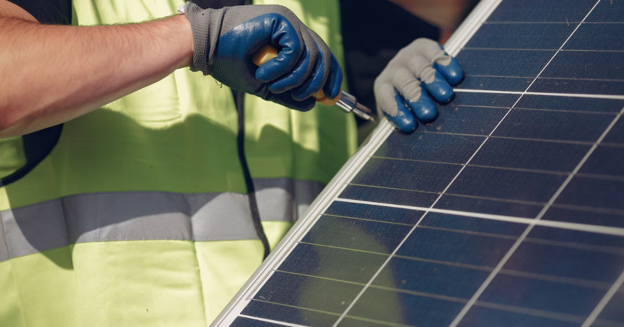
During solar PV system installation, panels are only one part of the complete system. Inverters convert the electricity produced by the panels into a form the home’s electrical system can use. Monitoring equipment can provide information about system operation, while appropriate electrical components connect the installation to the property.
We treat each part as part of one system. Proper installation also requires attention to manufacturer specifications and applicable electrical and building requirements.
Should We Add Battery Storage to Solar?
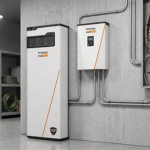
Battery storage can be useful when a homeowner wants to keep some solar-generated electricity available after production falls. Solar panels typically produce electricity during daylight hours, while household demand can continue well into the evening.
A battery can help bridge that timing difference. Depending on the equipment and configuration, stored electricity can also support selected loads during a grid outage.
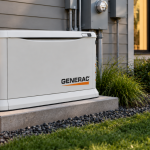
We offer residential storage options that include Generac PWRcell and Sol-Ark systems. We consider storage based on actual energy use and backup objectives rather than assuming every homeowner needs the same battery capacity.
How Much Solar Power Does a Home Need?
There is no universal panel count that works for every home. We determine system requirements by considering electricity consumption, available solar resource, roof space, system efficiency, and the homeowner’s goals.
A larger system is not automatically a better system. The objective is to create an appropriate balance between generation, consumption, available space, and project economics.
We also encourage homeowners to think ahead. An electric vehicle, home addition, new appliances, or changing family needs can increase future electricity consumption. Where practical, those possibilities should be considered during system planning.
What Should We Consider Before Going Solar?
We recommend looking at the complete project rather than comparing panel prices alone. Equipment quality, installation requirements, expected production, battery options, maintenance, financing, incentives, and utility arrangements can all influence the decision.
We also recommend checking the roof before installation. If major repairs are likely soon, addressing them before mounting solar equipment can avoid unnecessary complications later.
A well-planned installation of solar power system should fit the property today while remaining useful as household energy needs change.
How Can We Approach Solar With Greater Confidence?
We believe the best solar decision starts with questions, not equipment. By examining energy consumption, property conditions, electrical requirements, storage needs, and future goals, we can build a clearer picture of what the home actually requires.
For homeowners exploring a solar PV system installation, Rocknoll Energy Systems provides solar, battery storage, and related energy solutions. Our approach centers on connecting the property’s energy needs with practical system design, so the final installation serves a real purpose beyond simply placing panels on a roof.
Frequently Asked Questions
How do I choose the right solar panel system for my home?
Choosing the right system starts with reviewing your electricity use, roof size, orientation, shading, and electrical infrastructure. Consider your future energy needs, budget, storage requirements, and local utility rules. A professional site assessment can help determine suitable system capacity, equipment, and installation requirements for your property.
What is involved in a solar PV system installation?
A solar PV system installation typically includes site assessment, system design, equipment selection, permitting, mounting preparation, panel installation, inverter setup, electrical connections, and system testing. Installers also consider roof conditions, wiring, safety requirements, utility connections, and applicable local codes before commissioning the completed system.
How does the installation of a solar power system work?
The installation of a solar power system begins with evaluating the property and designing a system around its energy needs. After approvals and permits, installers mount the panels, connect inverters and electrical components, complete grid connections where applicable, and test the system before placing it into operation.