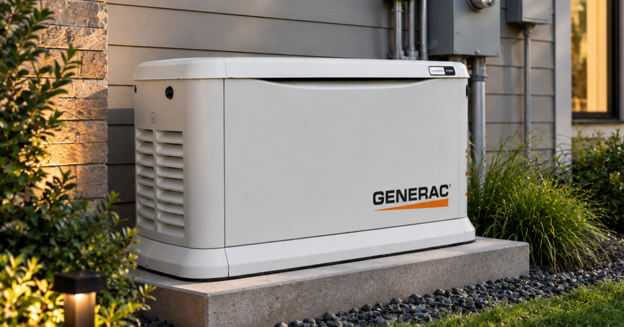
A power outage can interrupt far more than lighting. Refrigerators stop running, heating and cooling systems go offline, and everyday routines become harder to manage. Planning whole house generator installation gives us an opportunity to protect the essential functions of a home before an unexpected interruption occurs.
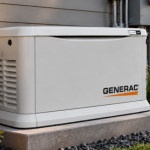
However, choosing a whole house automatic generator involves more than selecting a unit with enough power. We approach generator installation as a complete electrical project involving load calculations, fuel availability, transfer equipment, and safe placement. The same planning is essential for generac generator installation, where equipment selection and proper system configuration determine how effectively backup power supports a home.
Why Should We Plan for Backup Power Before an Outage?
We aren’t really thinking about power failures until bad weather gets extremely bad. A more sensible alternative is to inspect the power requirements of a household under normal conditions when time is available to shop around for equipment and be cognizant of installation requirements.
According to the 2025 data from the U.S. Energy Information Administration, using the IEEE methodology, which includes major event days, the average power outage for customers was some 269 minutes a year. This was fewer minutes than in 2024 when the peak was 663 minutes due to key weather events. The implications of these changing figures are that annual averages cannot be used to predict the circumstances a given household might face. Another tip for making sure you’re ready is to have a stand by generator. Aside from having to call for temporary electricity during an outage, we can plan to have a system that automatically responds to interruption of utility service.
What Does Whole-House Generator Coverage Actually Mean?
The term “whole house” might imply that all appliances and electrical devices will run forever. In actual use, the power available will be dependent on generator capacity, load connected and the system configuration.
First, we will determine which household systems are most relevant. Refrigeration, lighting, heating and cooling equipment, water pumps, kitchen appliances and electronics can all affect the final design. Also appliances with electric motors are taken into account as they may be electric “starters”. A whole home installation can work for most or all circuits in the home or another design can take advantage of load management to prioritize certain equipment. The goal is to match the generator output to realistic household loads but not to assume that all loads can be running at the same time.
How Does an Automatic Standby Generator Work?
Automatic standby system is a system that controls the switching between generator power and utility power using an automatic transfer switch (ATS). If the switch detects an interruption that is a qualifying event, the switch alerts the generator to jump start.
Once the generator is at the necessary operating conditions, the transfer switch switches the loads to the generator. When the electrical service is restored and stabilized, the switch takes the electrical load back to the power grid. The generator then follows a programmed shutdown procedure. This automatic operation minimizes manual connections at home for equipment during a power outage. It also helps to prevent potentially unsafe back feed from electricity flowing back into utility lines, if the system is properly installed and set up.
How Do We Calculate the Right Generator Size?
Sizing is one of the most important parts of a backup power project. We cannot rely on home square footage alone because two properties of similar size may have very different electrical requirements.
We review the household’s power consumption, major appliances, motor-starting requirements, and expected peak demand. Air conditioners, well pumps, refrigerators, and other equipment may draw additional power when starting. We also consider whether future upgrades could increase electricity use.
During this assessment, we focus on:
- The starting and running wattage of major appliances.
- The circuits that need backup power.
- The generator’s continuous electrical output.
- Load management options for high-demand equipment.
- Fuel consumption under expected operating conditions.
This process helps us select a unit that meets practical household requirements without overlooking important electrical demands.
Which Fuel and Placement Factors Should We Consider?
Residential standby generators are generally fueled by natural gas or liquid propane. The selection of a configuration is based on assessing the available fuel source, the fuel supply capacity and expected fuel operating demand. The fuel connection should deliver the required flow and pressure of the selected equipment.
Careful planning is also required for placement. Manufacturer clearance requirements, local building and electrical codes, exhaust direction, access for maintenance, and exposure to conditions like flooding and drifting snow are all taken into consideration. Installation site should provide a proper stable foundation and space for safe servicing. Electrical and fuel connections are also made by us with competent professionals. Placement and code compliance are all an integral component of a reliable standby system, and not something that can be addressed after the installation of equipment.
Why Does Generator Maintenance Matter After Installation?
Backup equipment needs attention even when utility service remains available. We do not want to discover a weak starting battery, overdue oil change, or transfer switch issue during an extended outage. Routine maintenance generally includes oil and filter changes, spark plug and air filter inspections, battery testing, and checks of relevant fuel and coolant systems. We also recommend operational testing according to the manufacturer’s schedule.
We treat maintenance as part of the overall backup plan. Periodic inspections help us identify developing issues, confirm system readiness, and address wear before the generator is needed to support the household.
Build a Backup Plan Around the Way Your Home Runs
Reliable backup power begins with understanding what a household needs to keep operating when utility service disappears. The right capacity, fuel arrangement, transfer equipment, installation location, and maintenance schedule all contribute to that goal.
For homeowners considering whole house generator installation, comparing a whole house automatic generator, or planning professional generator installation, Rocknoll Energy Systems offers Generac standby generator installation and maintenance services. Its generac generator installation work can be considered as part of a broader discussion about household electrical demand, equipment selection, and long-term backup readiness.
Frequently Asked Questions
How do I choose the right generator for my home?
We choose a generator by reviewing your home's size, electrical panel, and essential appliances, including equipment with high starting demands. Compare running and surge wattage, fuel availability, transfer-switch options, and future needs. A qualified installer can calculate loads and recommend suitable capacity for your household.
Can I install a whole house generator myself, or do I need a professional?
Whole-house generator installation involves electrical connections, fuel lines, transfer equipment, clearances, permits, and code requirements. Incorrect work can cause fire, carbon monoxide exposure, or dangerous backfeeding. We recommend using qualified professionals to design, install, inspect, and commission the system safely to applicable safety standards.
Can a whole house generator power all my home appliances?
A whole-house generator can power all appliances only when its capacity and electrical configuration support their combined demand. Large air conditioners, electric ranges, and water heaters may require load management. A professional load assessment helps determine which circuits can run together without exceeding generator output.