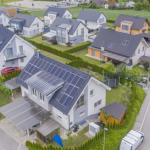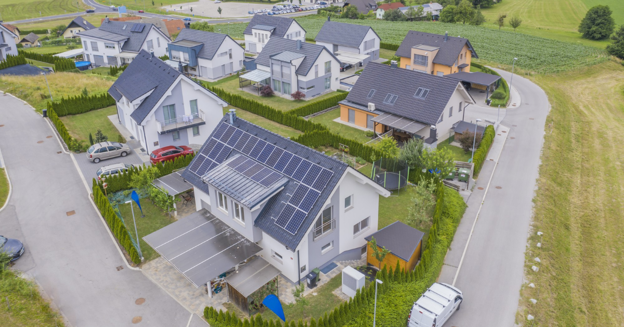
Starting with solar energy at home can feel like a major decision, but we believe the process becomes clearer when we begin with the home itself. Our approach to residential solar energy systems starts by looking at how a property uses electricity, how much energy it needs, and what the site can realistically support.
When we plan residential solar installation, we do more than determine where panels can fit. We consider energy consumption, available sunlight, electrical infrastructure, system design, and the homeowner’s long-term goals. Our objective is to create a solar solution that works with the property rather than forcing the property into a standard package.
Where Should We Begin With Home Solar?
We begin with an assessment rather than a product selection. Before recommending equipment, we look at the home’s electricity usage and physical characteristics. Utility bills can reveal how much electricity the household consumes, while a site assessment helps us evaluate roof or ground space, shading, orientation, and other installation considerations.
We also ask what the homeowner wants from solar. Some homeowners primarily want to generate more of their own electricity. Others are interested in energy independence, battery storage, or greater resilience during utility interruptions.
These goals influence the system we design.
According to the U.S. Energy Information Administration, renewable energy accounted for about 25% of U.S. utility-scale electricity generation in 2024. While residential solar is only one part of the broader renewable energy market, the continued expansion of solar shows how generation is becoming increasingly distributed across homes and businesses.
How Do We Determine Whether a Home Is Ready for Solar?
We look at several factors together rather than relying on one measurement. The roof is an important consideration, but it is not the only one. We evaluate available sunlight, shading, roof condition, orientation, usable area, and the property’s electrical system. If a ground-mounted array is more suitable, available land and site conditions become part of the evaluation.
We also review electricity consumption. A household that uses substantial power during the day may have a different solar profile from one that consumes most of its electricity in the evening.
Our initial checklist includes electricity usage, solar access, roof or ground conditions, electrical infrastructure, future energy requirements, and whether battery storage should be considered. This gives us a practical starting point for system sizing.
What Happens During Residential Solar Installation?
Once we establish the appropriate system design, the physical installation brings several components together. Solar panels capture sunlight and convert it into direct-current electricity. Inverters then convert that electricity into alternating-current power suitable for the home’s electrical system. Mounting equipment, wiring, disconnects, and other components complete the system.
During residential solar installation, we also have to account for permitting, inspections, utility requirements, equipment placement, and safe electrical connections. Proper commissioning is important because installation does not simply end when the last panel is mounted. We want the completed system to operate as intended and provide the homeowner with a clear understanding of how it works.
How Should We Think About Solar Panel Quantity?
There is no universal number of panels that works for every house. We determine panel quantity based on factors such as annual electricity consumption, available sunlight, panel characteristics, usable installation area, and the desired level of electricity generation. Roof space can also place a practical limit on how much solar capacity can be installed.
For that reason, we do not recommend choosing a system based solely on the number of panels advertised. A smaller, well-designed system can be more appropriate for one home, while another property may need substantially greater capacity. Our goal is to match generation capacity with the home’s actual energy requirements.
What Role Can Battery Storage Play?
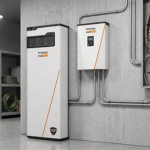
Solar generation changes throughout the day, while household electricity use continues after sunset. Battery storage can help connect those two patterns. When solar production exceeds immediate household demand, a compatible battery system can store available energy. Later, that stored electricity may be used when solar production is lower. Depending on the system configuration, battery storage can also provide backup power during certain grid outages.
We evaluate storage separately from panel capacity because the right battery size depends on what the homeowner wants to accomplish. A household focused on evening energy use may have different requirements from one seeking backup for essential electrical loads.
Can We Add Storage or Other Energy Equipment Later?
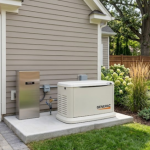
In some cases, yes, although future additions should ideally be considered during the initial design. We can evaluate how solar might work alongside battery storage, backup generators, EV charging, or other energy technologies.
Planning ahead can help ensure that today’s electrical decisions do not unnecessarily restrict future options. We believe this is one of the most useful ways to approach home energy. Instead of viewing solar as a single purchase, we can treat it as one component of a broader energy strategy.
What Does a Successful Solar Startup Look Like?
We see the strongest solar projects as carefully planned transitions rather than quick equipment upgrades. The process starts with understanding the home, continues through system design and residential solar installation, and extends into how the homeowner uses and manages the resulting energy.
For homeowners exploring residential solar energy systems, Rocknoll Energy Systems provides residential energy solutions that include solar, battery storage, backup power, wind energy, and other technologies. Our broader approach allows us to consider solar within the context of the property’s complete energy needs, helping homeowners make decisions based on how they live today and what they may need tomorrow.
Frequently Asked Questions
What are the main benefits of residential solar energy systems?
With residential solar energy systems, we can help homeowners generate electricity on-site and potentially reduce reliance on utility-supplied power. Depending on system design and local conditions, solar can also support energy independence, battery storage, and backup strategies while making renewable generation part of the home's long-term energy plan.
How many solar panels does a home need?
We determine panel quantity based on electricity consumption, available sunlight, panel output, usable roof or ground space, and the homeowner's goals. There is no standard number for every property. Our assessment helps establish an appropriate system size rather than choosing panels based only on available space.
How does battery storage work with residential solar energy systems?
We can integrate battery storage with residential solar energy systems to store available solar electricity for later use. When production exceeds immediate household demand, compatible batteries can charge. Stored energy can then support selected loads when solar production decreases, with backup capability depending on system design and configuration.