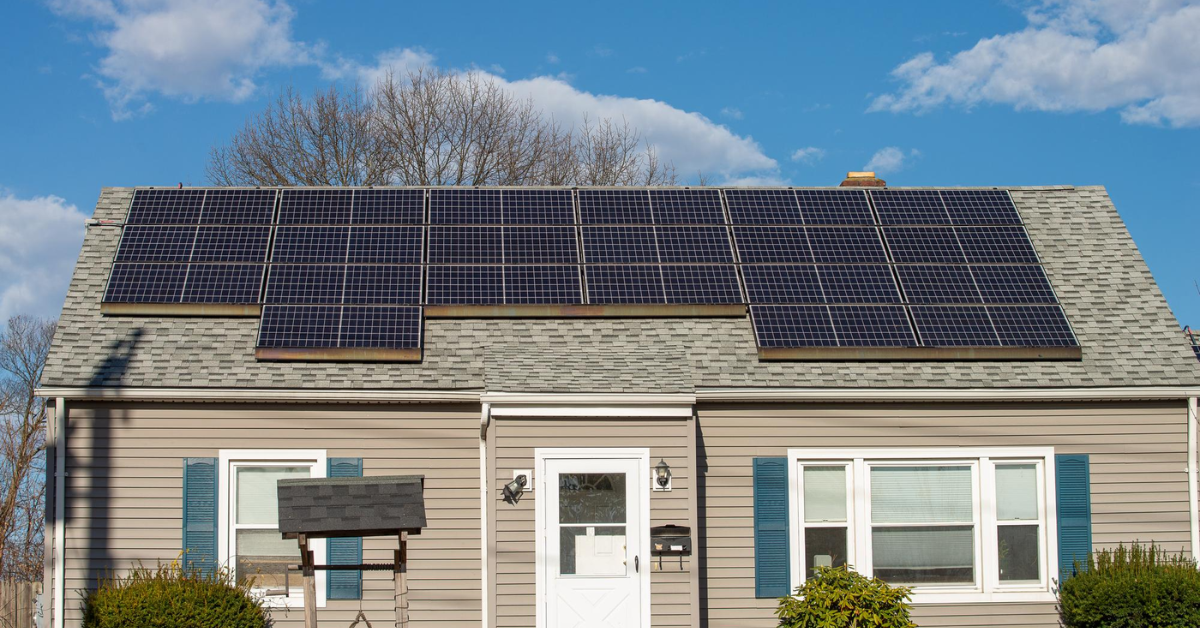
When we switch on a light in our homes, we are experiencing an instant chain reaction of events in order to light up a room. That power has been flowing for decades through miles of transmission lines from centralized utility power plants. Millions of homeowners are creating clean energy on their own roofs today. A modern residential solar energy system converts raw sunlight into household electricity, which can help to demystify the technology and give families a say in their energy future.
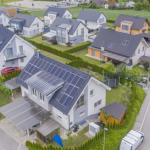
From the outside, the house with solar equipment appears to have ample dark panels sitting quietly on its roof. But beneath those quiet waters lies an active power generation unit in real-time. Residential solar installation, when appropriately planned, can transform a regular home into a self-generating power plant. Let’s follow the energy from the sky to the appliances in your kitchen to see how this works.
What Happens When Sunlight Hits a Solar Panel?
PV cells, typically made of silicon semiconductors, are at the heart of all systems. These cells absorb sunlight, and when the light hits the cells, small packets of light energy known as photons collide with the silicon atoms and release electrons. This tiny motion generates a direct current (DC) electricity flow. We speak of this as the photoelectric effect, and it was discovered more than a century ago and is now the source of power for modern green living. Single panels are then linked in arrays that are sized to meet your daily energy needs at home.
How Does DC Electricity Become Usable Home Power?
The power produced by rooftop panels is direct current electricity, but your home appliances run on alternating current electricity. This is where the inverter steps in as the central unit of the setup. The inverter receives direct current from the panels and converts it into alternating current at the exact voltage required by your electrical panel.
| System Component | Primary Function | Household Impact |
| Photovoltaic Panels | Capture sunlight and generate direct current power | Converts solar light directly into raw electricity |
| Power Inverter | Converts direct current power into alternating current power | Makes solar energy compatible with home appliances |
| Electric Breaker Panel | Distributes alternating current electricity to home circuits | Directs power safely to lights, outlets, and devices |
| Utility Net Meter | Tracks bi-directional energy flow between home and grid | Measures excess energy fed back to the power grid |
Where Does Extra Solar Power Go During the Day?
During the sunny hours of the afternoon, your roof can generate more electricity than your home needs. Your system uses the excess electricity back through your primary panel and back to the electric grid.
- Your electric meter credits digital credit during peak electricity generation hours.
- Extra generation is fed into the local utility grid, which is a shared energy bank.
- The panels return to the electric grid seamlessly at night when they are not in use.
- Your utility bill only shows the net savings you make from your energy production minus your energy consumption.
This balance between home production and grid draw is known as net metering. By maintaining a two-way connection with the utility grid, your home stays fully powered twenty-four hours a day without needing massive localized storage unless you choose to add it.
Why Are Battery Storage Systems Changing Home Energy?
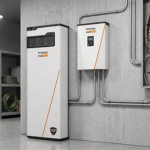
A standard grid-tied system would turn off during a power outage for safety, while a grid connection system works well for even out day/night demands. This is why home battery storage is fast becoming one of the essential considerations for contemporary energy planning.
New residential installations increasingly incorporate battery storage solutions, and more than 20 percent do so today, according to recent data from the Solar Energy Industries Association (SEIA), which anticipates that the share of battery storage systems will rise steadily over the next 10 years.
Hybrid inverters intelligently determine whether to feed excess electricity to your home batteries, to power your appliances, or to export to the grid. In case of a power outage, your system instantly shuts off from the power grid, ensuring your essential home functions continue without a disruption.
What Should Homeowners Expect During System Design?
Building an effective home setup requires careful evaluation of several physical factors. We evaluate roof orientation, shading from nearby trees, local weather patterns, and historical electricity bills to determine the exact system size needed.
Structural integrity and electrical panel capacity must also be checked to ensure long-term safety and performance. Proper engineering guarantees that your equipment produces clean energy reliably for decades with minimal maintenance.
In addition to site conditions, understanding local utility policies and available tax incentives plays a big role in finalizing your design. Proper site design ensures that every panel operates at maximum efficiency, capturing the highest possible amount of sunlight throughout the changing seasons.
How Do You Take the First Step Toward Solar Energy?
Switching to home solar is more than adding panels to a roof; it is a long-term investment in energy independence, predictability, and environmental stewardship. A customized residential solar energy system provides control over rising utility costs while reducing dependence on fossil fuels. When planning a residential solar installation, working with experienced regional providers like Rocknoll Energy Systems helps ensure that your system is tailored to your specific power needs, climate conditions, and home architecture for decades of dependable operation.
Frequently Asked Questions
How does a solar energy system power a home?
A solar energy system captures sunlight through photovoltaic panels and converts it into electricity. An inverter changes the generated direct current into alternating current used by household appliances. The home uses this electricity first, while any excess power may be stored in batteries or supplied to the utility grid.
What are the benefits of installing a residential solar energy system?
A residential solar energy system helps lower long-term electricity costs, increases energy independence, and reduces reliance on traditional utility providers. It also supports cleaner energy production, improves long-term property value, and can integrate with battery storage for backup power, providing greater flexibility and resilience during changing energy conditions.
Does a residential solar energy system work during cloudy days or winter?
Yes. Solar panels continue producing electricity during cloudy weather and throughout winter, although energy production is lower than on bright, sunny days. Modern systems are designed to operate year-round, and homeowners can use battery storage or utility power to maintain a reliable electricity supply when solar generation decreases.
What Happens When Sunlight Hits a Solar Panel?
Sunlight activates the silicon cells inside a solar panel, causing electrons to move and generate direct current (DC) electricity through the photoelectric effect. Multiple panels work together to produce power for your home's energy needs.